
How Many Calories Are in a Bowl of Ramen?
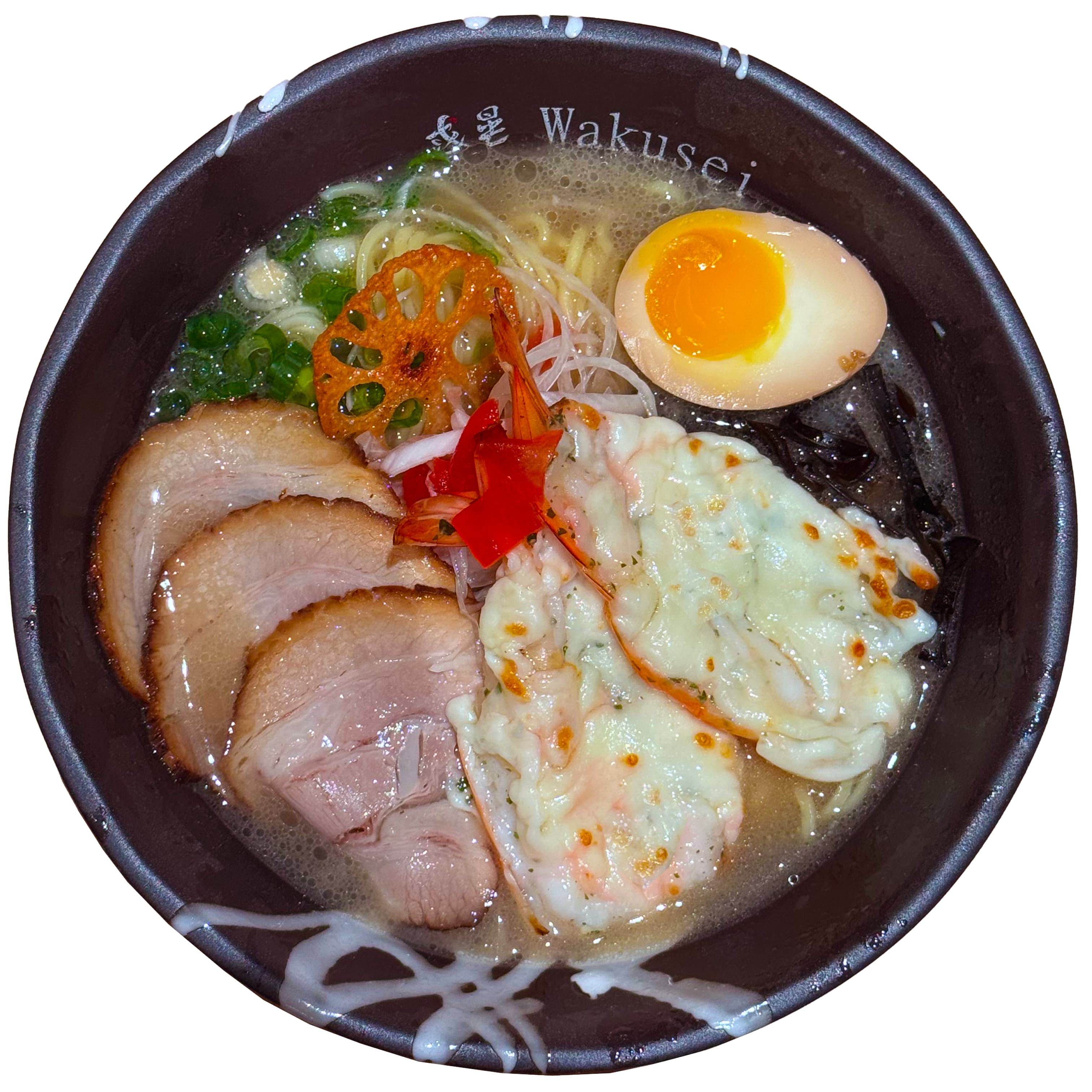
Ramen has a reputation as an indulgence, and some bowls earn it. But the number varies a lot from bowl to bowl. Here's where the calories in ramen come from, how much difference the broth makes, and our estimated ranges for each dish on the Ramen Wakusei menu. One important note first: our numbers are good-faith estimates based on published nutrition data for comparable Japanese dishes, not lab tests of our exact recipes.
Where the calories in ramen come from
- The noodles: wheat noodles are the main source of carbohydrates in any bowl, and a full restaurant portion is a big part of the total.
- The broth: this is where bowls differ most. A rich tonkotsu broth gets its creamy body from pork bones simmered until the fat and collagen emulsify, while a kelp-and-bonito broth is clear and much lighter.
- The toppings and oils: pork belly chashu, a soft-boiled egg, aromatic oils such as black garlic oil or chili oil, and fried toppings all add up.
Because so much of a rich bowl's fat is in the soup, how much broth you drink matters. Our estimates assume you finish the broth. For Venus, our tonkotsu, leaving most of the broth can save roughly 150–250 kcal.
Estimated calories for each Ramen Wakusei bowl
- Mercury (kombu kelp and bonito broth): about 520–650 kcal. Our lightest ramen.
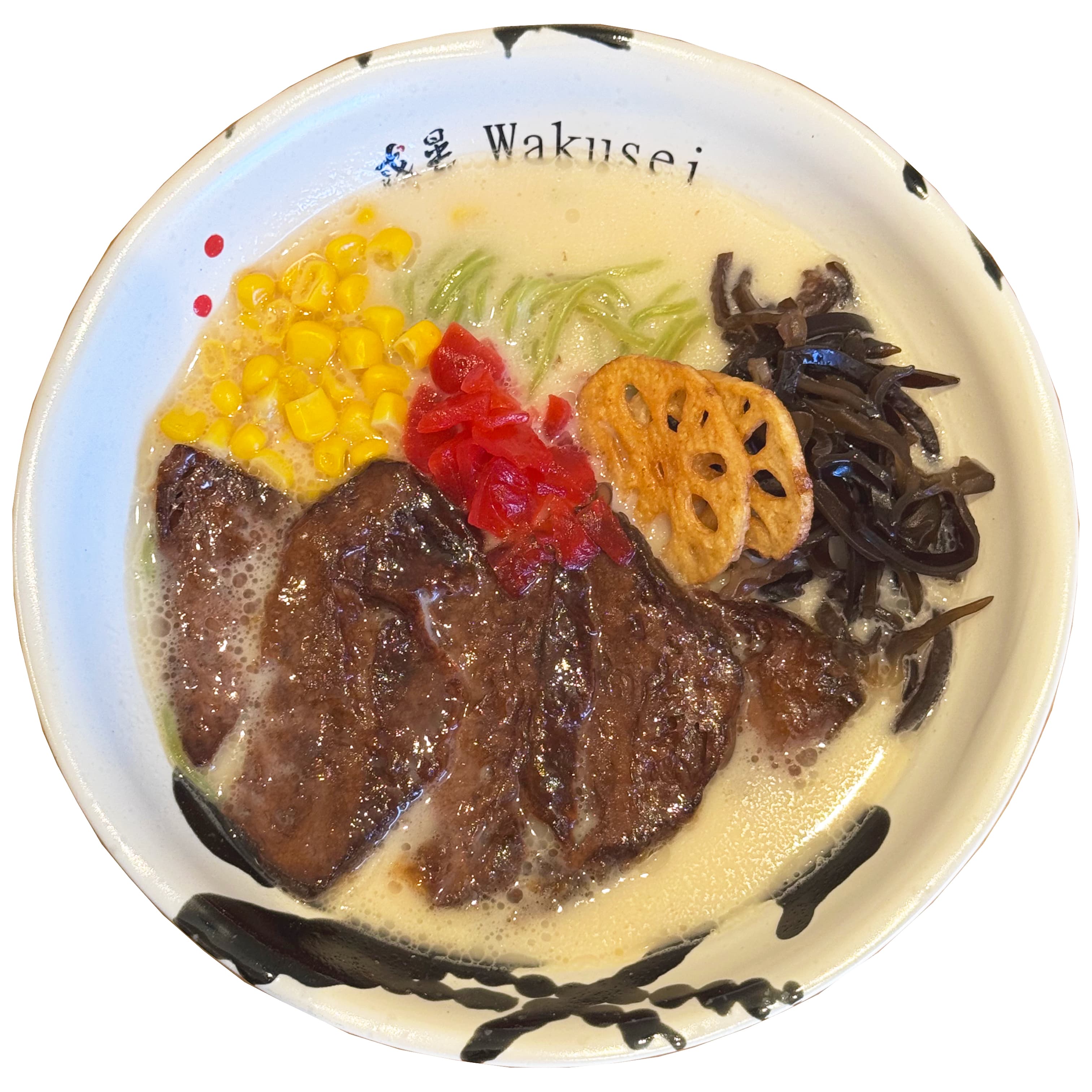
- Earth (100% plant-based): about 550–700 kcal, with a high-protein plant-powered steak.
- Neptune (seafood on a rich pork-bone broth): about 700–880 kcal. The shrimp, sea bass and scallops keep protein high relative to fat.
- Venus (rich tonkotsu): about 800–950 kcal.
- Mars (spicy chili-garlic pork-bone broth): about 820–980 kcal.
- Saturn (spicy pork-bone and bonito broth with a fried soft-shell crab): about 820–1000 kcal.
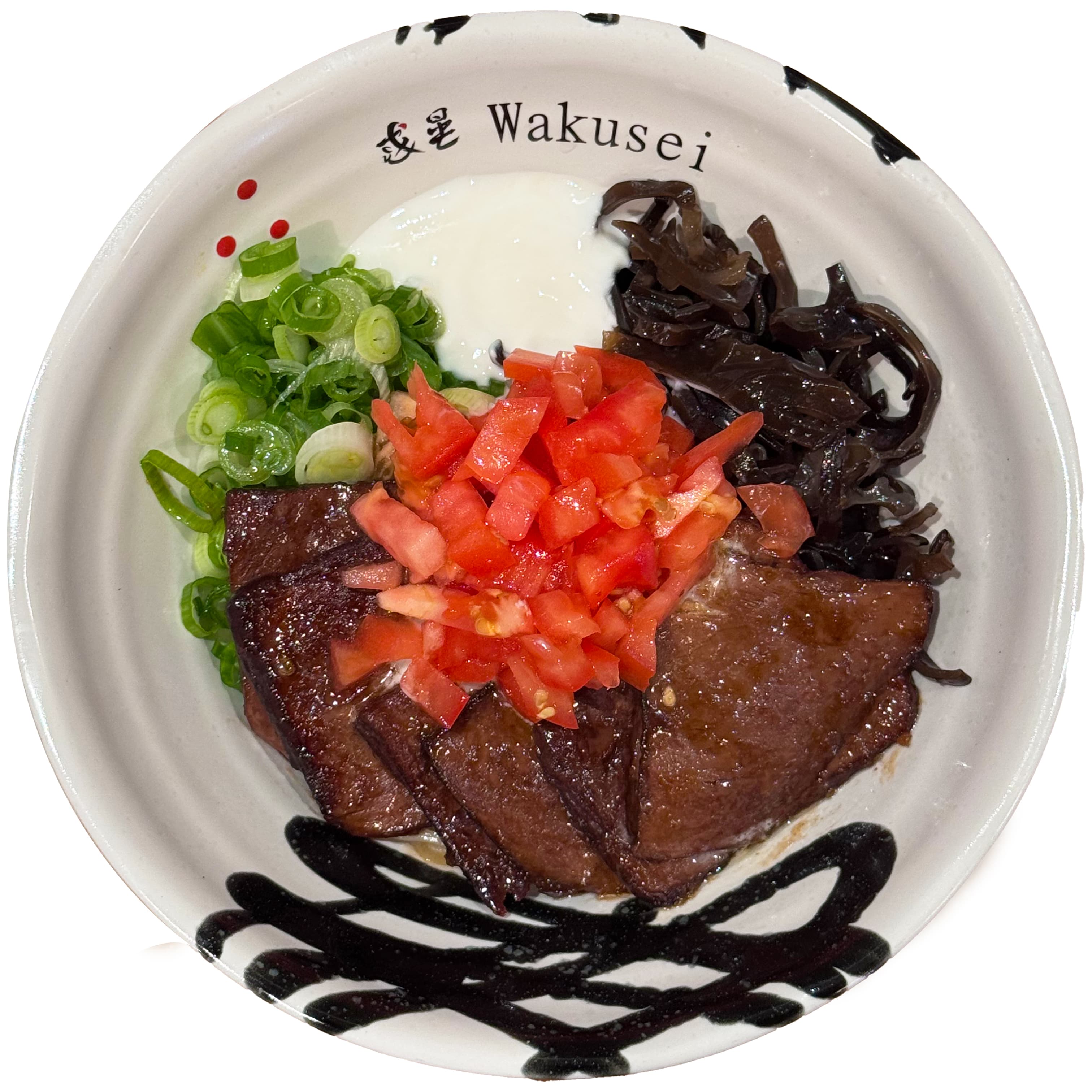
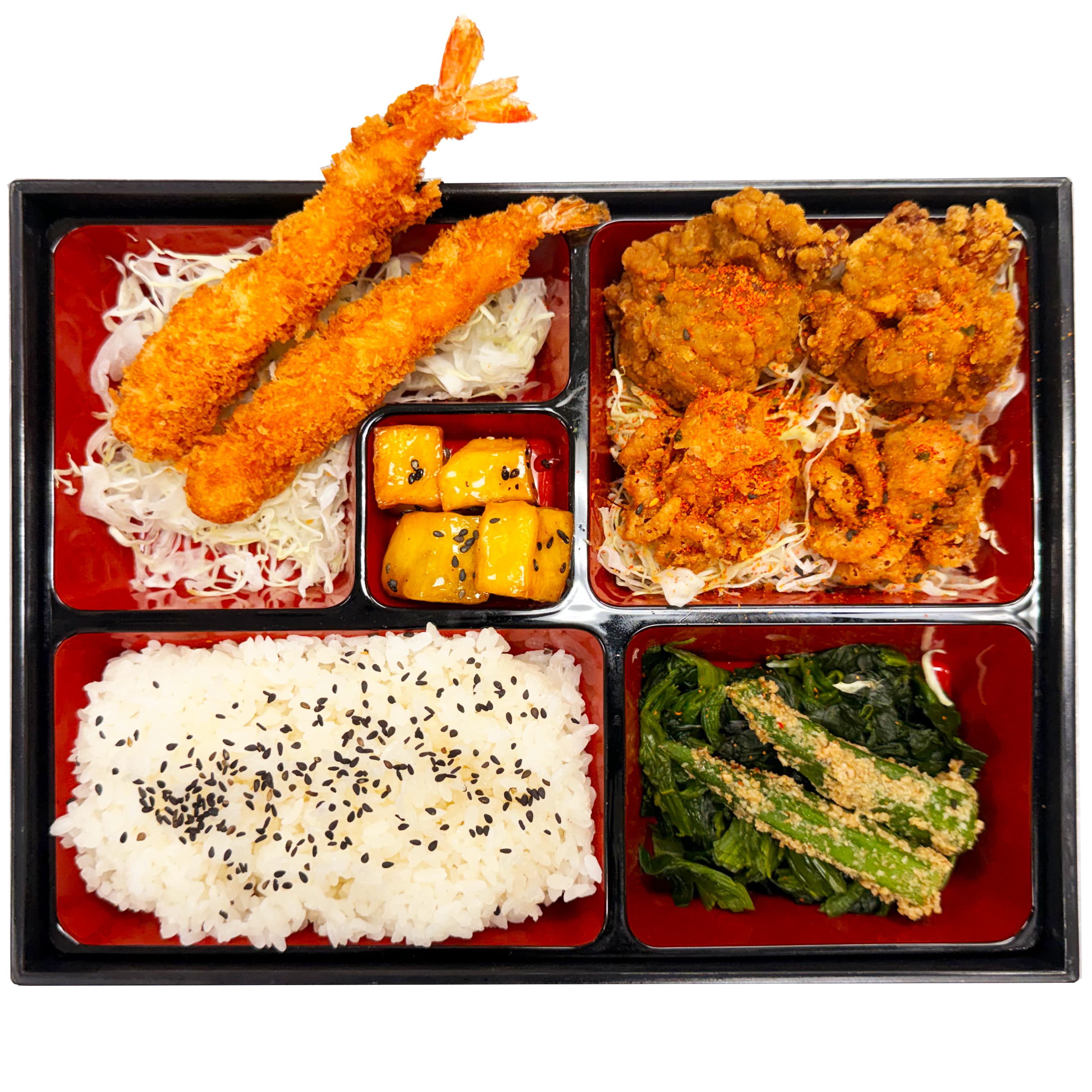
Brothless abura soba ranges from about 580–720 kcal for Virgo, the lightest, to about 880–1050 kcal for Golden Sun with A5 Wagyu. Our rice plates range from about 650–800 kcal for Orion, a torched chashu rice bowl with no frying, to about 950–1150 kcal for Andromeda, with Wagyu and a soft-shell crab over curry rice. Our menu calories page lists every dish, with estimated protein, carbs and fat.
Choosing a lighter bowl
- Lightest ramen: Mercury, about 520–650 kcal, with a clean kombu kelp and bonito broth.
- Plant-based: Earth, about 550–700 kcal, 100% plant-based.
- Lightest abura soba: Virgo, about 580–720 kcal, with light tare and fresh vegetables.
- Lightest rice plate: Orion, about 650–800 kcal, a torched chashu rice bowl with no frying.
- Love tonkotsu? Enjoy Venus and leave some of the broth in the bowl.
If you have allergies or strict dietary needs, please ask our staff before ordering. Ramen Wakusei is at 585 E El Camino Real, Sunnyvale, CA 94087, open daily 11:00 AM – 9:00 PM.
Frequently Asked Questions
How many calories are in a bowl of ramen?
Most restaurant ramen falls roughly between 500 and 1,000 calories, depending on the broth, noodles and toppings. At Ramen Wakusei our estimates range from about 520–650 kcal for Mercury to about 820–1000 kcal for Saturn, assuming you finish the broth. These are estimates, not lab-tested values.
Does drinking the broth add a lot of calories?
In a rich bowl, yes. Much of a tonkotsu bowl's fat is in the broth. For Venus, our tonkotsu, leaving most of the broth can save roughly 150–250 kcal by our estimate.
What is the lowest-calorie ramen at Ramen Wakusei?
Mercury, with a clean kombu kelp and bonito broth, at about 520–650 kcal by our estimate. Earth, our 100% plant-based ramen, is about 550–700 kcal.
Dishes in this guide
Related
← Back to the blog